Start here
Understanding Cognitive Decline & Hearing Loss
Cognitive Decline & Hearing Loss
Schedule A VisitHearing loss is a common problem among adults, especially those over the age of 65. Although hearing loss is often thought of as a minor inconvenience, it can have serious consequences. In particular, it can lead to cognitive decline, a decrease in mental abilities such as memory and thinking. So what can you do to prevent it?
At Light E.N.T., we’re committed to helping our patients in Boynton Beach, Florida, feel their best, and this starts with making sure you’re informed about your ear, nose, and throat health. Continue scrolling to learn more about the link between hearing loss and cognitive decline, then get in touch with our E.N.T. doctors to discover how we can help with any conditions that may be affecting you.

Can Hearing Loss Cause Cognitive Decline?
The connection between hearing loss and cognitive decline has been well-documented in recent years. Studies have shown that those with hearing loss are more likely to experience cognitive decline than those with normal hearing. The effects are especially pronounced in those with severe hearing loss.
The exact mechanisms behind the link between hearing loss and cognitive decline are not yet known. However, it is thought that the strain of having to constantly struggle to hear conversations and other sounds may lead to mental fatigue, which in turn can lead to cognitive decline.
Another theory claims that your brain cells themselves can deteriorate when facing the lack of stimulation that accompanies serious hearing problems. It is also possible that hearing loss encourages tendencies of social isolation, which can contribute to cognitive decline as well.
Other Conditions Linked With Hearing Loss
Hearing loss is not just linked to cognitive decline — it is also linked to other health issues. For example, those with hearing loss are more likely to suffer from depression and anxiety. They are also more likely to experience falls or accidents, due to difficulty hearing warning signals such as car horns.
Moreover, hearing loss can lead to an increased risk of conditions such as dementia, cardiovascular disease, diabetes, and chronic kidney disease. While the exact relationship between hearing loss and these conditions requires further study, it is safe to say that hearing loss can be a notable red flag that deserves attention and treatment.
Schedule A Visit
The Role of Hearing Aids
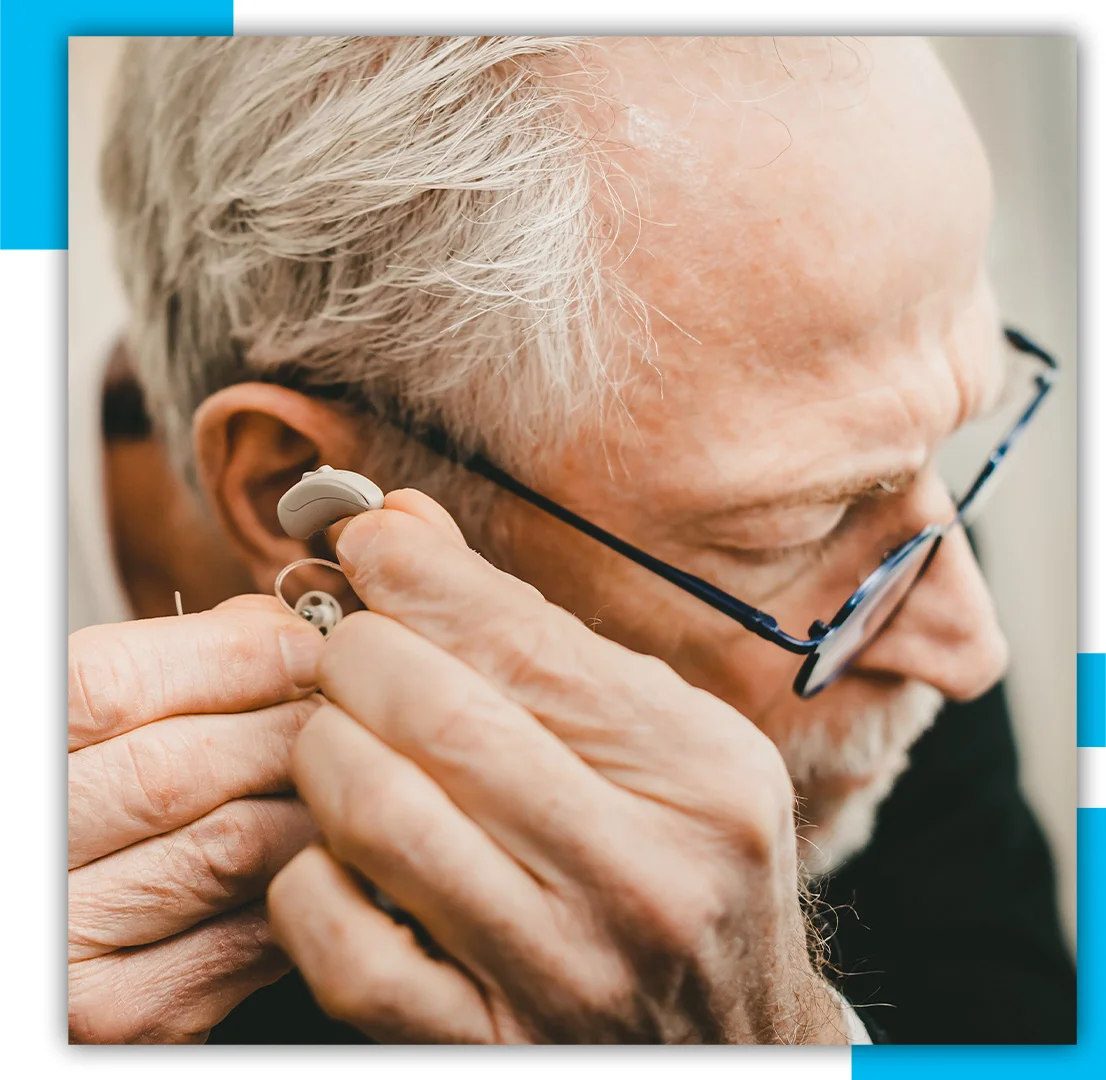
Hearing aids are one of the most effective treatments for hearing loss. They can help to improve hearing ability, which can then help to reduce the risk of cognitive decline. In addition, hearing aids may reduce the mental exhaustion associated with constantly straining to hear dialogue, music, and other auditory cues.
For those dealing with hearing loss, we offer free hearing aid consultations at our E.N.T. clinic in Boynton Beach. Our hearing loss specialists can quickly determine if a hearing aid is right for you, and we will provide you with follow-up care to ensure it fits and functions as it should.
Why You Should Get Your Hearing Checked
If you are experiencing any signs of hearing loss, it is important to get your hearing checked by an experienced audiologist as soon as possible. Taking action early on can help to address and mitigate your condition before it worsens or begins to adversely affect other areas of your health.
At Light E.N.T., we offer comprehensive cognitive screenings and hearing tests in Boynton Beach. These tests allow us to assess the current state of your hearing loss, giving us the information we need to create an affordable, effective treatment plan that can help you regain control of your hearing and your health.
Schedule A Visit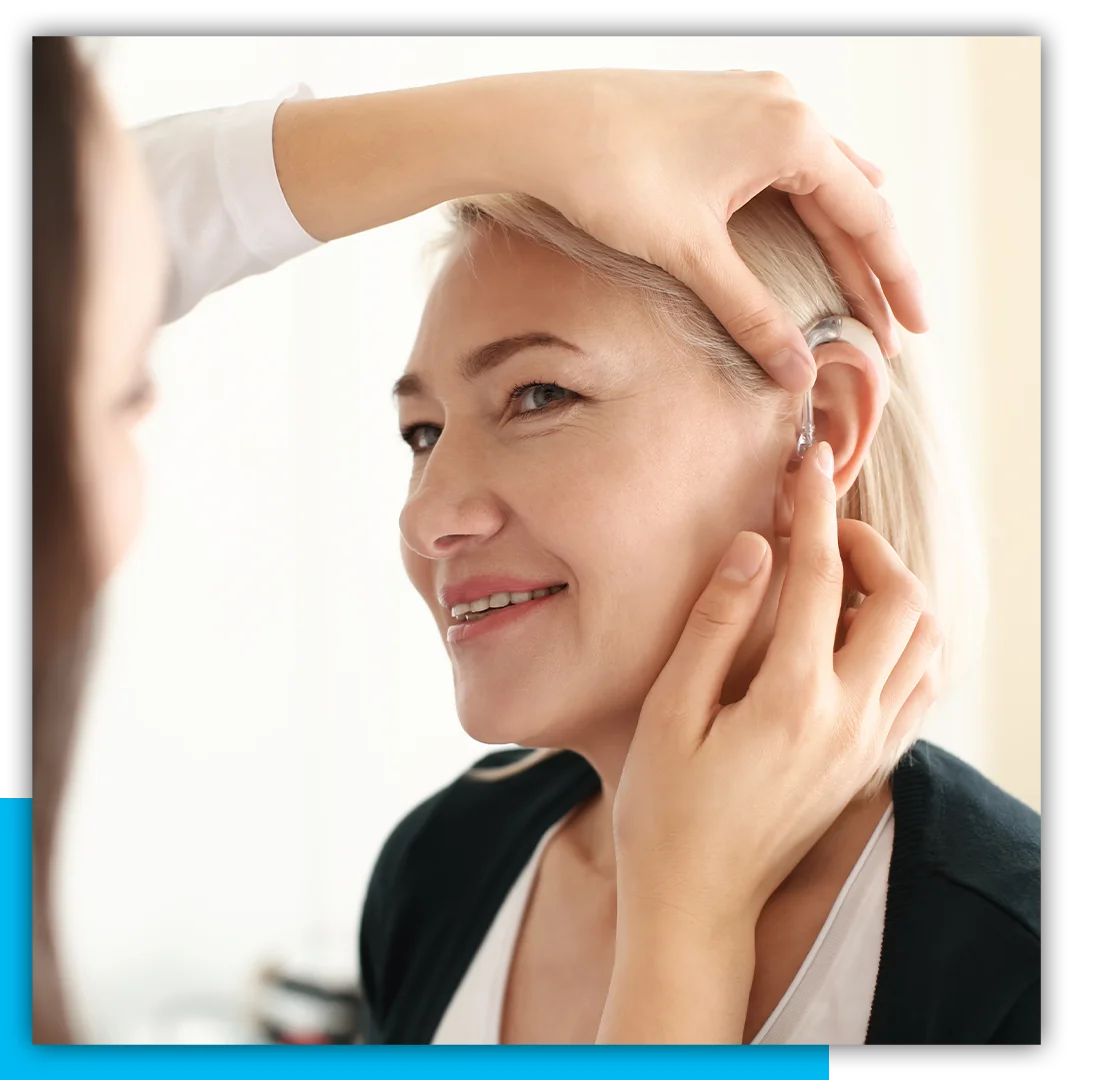
Your sense of hearing is too precious to give up without a fight. Now is the time to seek help if your hearing is not as sharp as it used to be, so contact us today to explore our hearing loss treatment options.
Learn MoreNotice the pattern
When an evaluation may help
Speak with an ENT specialist about symptoms that persist, keep returning, change suddenly or affect daily life. An evaluation helps identify the cause before you choose a treatment.
Know what to expect
What to expect at your visit
- 1Discuss your symptoms
Tell your clinician about your health history and treatments you have already tried.
- 2Have an examination
Your clinician will examine the area related to your symptoms.
- 3Discuss testing
Your clinician may recommend tests when they are needed to assess your symptoms.
- 4Review treatment options
Ask about nonsurgical care, possible procedures and the alternatives.
03 · Discuss treatment
Ask which options apply to you.
People with similar symptoms may need different treatments. Ask your clinician what is causing your symptoms, which options are appropriate and what the benefits and drawbacks are.