Explore the option
Considering Allergy Immunotherapy
Easily™ allergy toothpaste
Allergy treatment, built into your brushing routine.
A personalized approach to immunotherapy, delivered through a familiar daily habit.
Ask about allergy toothpastePersonalized treatment · Clinician-guided care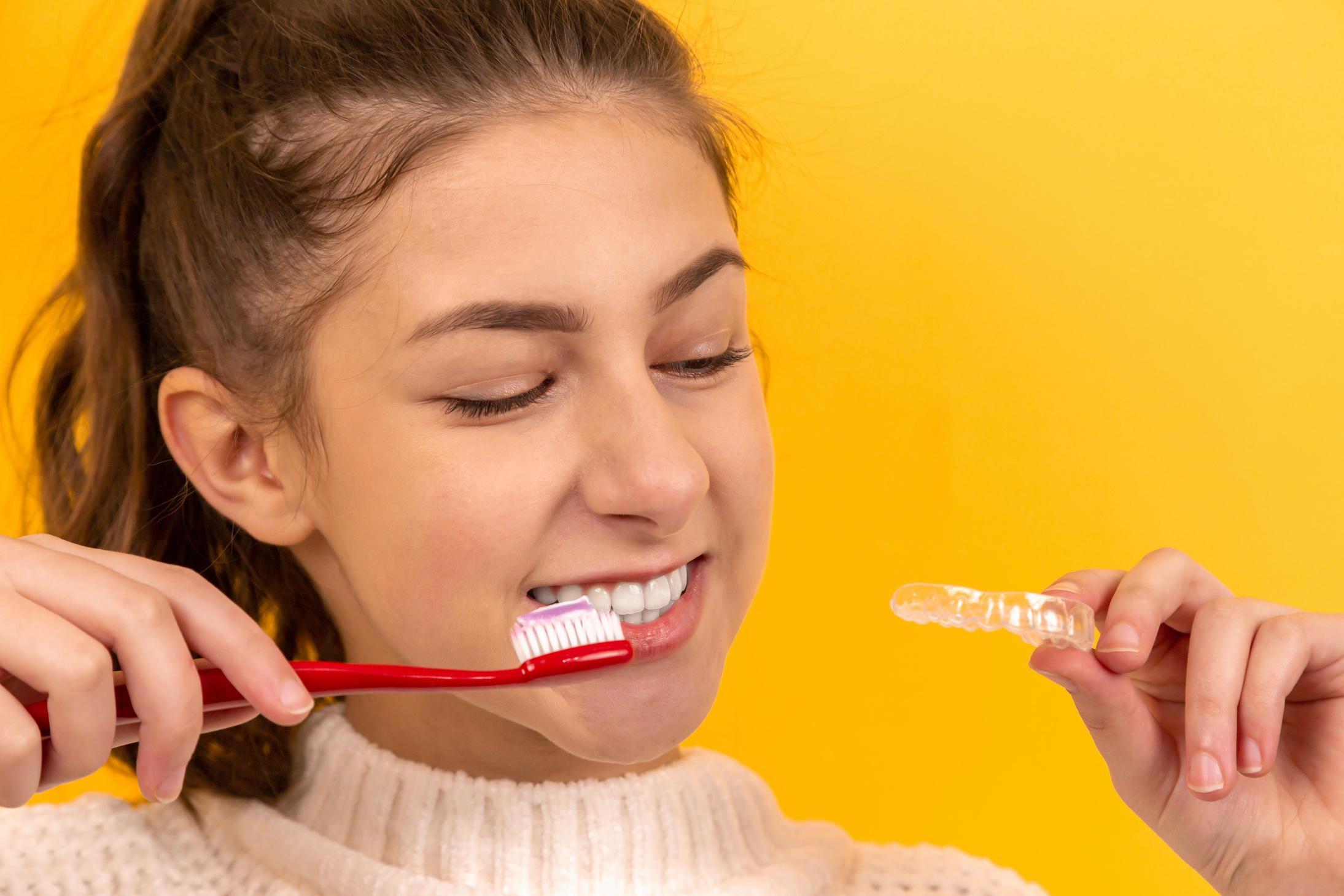
Compare the approaches
Toothpaste, drops or shots?
The difference starts with how allergens are delivered.
- OMITToothpaste
- Delivers prescribed allergens to the lining of the mouth while brushing.
- SLITDrops
- Delivers allergens under the tongue through sublingual immunotherapy.
- SCITShots
- Delivers allergens by injection, with office visits and observation afterward.
These approaches have different evidence, risks and treatment schedules. Your clinician can explain the appropriate options for your allergies.
A closer look
Your questions, explained.
Open a topic to explore the details.
01How does allergy toothpaste work?
Oral mucosal immunotherapy (OMIT) uses a specially prepared toothpaste to bring selected allergens into contact with the lining of your mouth while you brush. Easily toothpaste can be personalized with more than one environmental allergen, based on your allergy evaluation.
Immunotherapy aims to help your immune system become less sensitive to specific allergens over time. With OMIT, the toothpaste carries those allergens to oral tissues during brushing. It is a long-term treatment approach, rather than a way to relieve symptoms immediately.
02What does a daily treatment plan involve?
Pairing treatment with brushing may make it easier to follow a daily plan. Your clinician determines the formulation, dose and follow-up schedule. Consistent use matters; discuss the expected treatment length and how progress will be assessed.
Ask your clinician
What dose, brushing instructions and follow-up visits will I need?
03Is it an option for me or my child?
Ask the Light E.N.T. team whether this option fits your symptoms, test results and daily routine. Treatment is prescribed for you and used at home under your clinician’s guidance.
Questions to bring to your visit
- Which environmental allergens should my treatment address?
- Is toothpaste appropriate for me or my child?
04What else should I ask before starting?
- What reactions should I watch for, and what should I do if they occur?
- What will treatment cost, and what does my insurance cover?
Allergy Shots and Immunotherapy Treatment in Florida
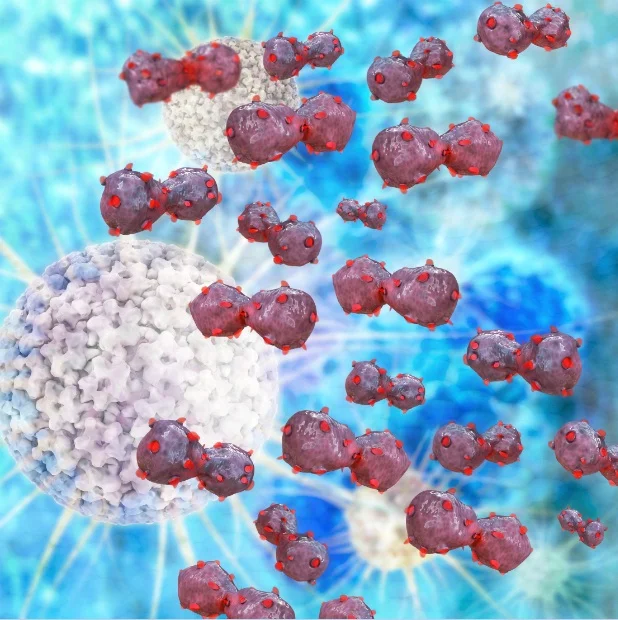
Allergy shots, also commonly known as immunotherapy, are a great option for persistent allergies. Many patients seek immunotherapy treatments when they cannot find relief with medications.
Immunotherapy can be highly successful. Studies have shown that between 80-90% of patients experience an improvement in their condition with regular treatments. According to the Asthma Education and Prevention Program patients with asthma have seen improvements in their condition after immunotherapy treatments.
How Does Immunotherapy Work?
Allergy shots expose the body to small doses of a specific allergen. Over time, those doses increase as the body “learns” how to overcome the negative impact of the allergen.
Immunotherapy has been successful and proven to treat common allergies such as:
- Seasonal allergies – such as Hay Fever, seasonal asthma, or pollen released by trees, grass, weeds, and flowers
- Indoor allergens – such as mold, mildew, dust mites, and even pet dander
- Insect stings – such as bees
What are the Risks and Side Effects?
Risks associated with immunotherapy treatments are relatively rare, however, they can occur on occasion.
Some risks and side effects to immunotherapy treatments can include:
- Redness, swelling, and/or irritation at the site of injection
- Sneezing
- Nasal congestion
- Hives
- Throat swelling
- Wheezing
- Chest tightness
- Low blood pressure
- Difficulty breathing
Again, most of these risks and side effects are incredibly uncommon. At the Light E.N.T., we make sure you stay in our office for up to thirty minutes after an initial treatment in order to ensure you do not have a reaction.
Should you experience any of these side effects, contact your physician or seek emergency medical attention immediately.
What is the Success Rate?
Allergy symptoms will not clear up overnight. Most patients receive immunotherapy treatments for three to five years, but the effects can last even longer. Sometimes, immunotherapy can even cure an allergy.
Additionally, if you are a patient who has experienced any side affects after an immunotherapy treatment, it is likely that they will decrease after regular exposure to treatments.
At Light E.N.T., we see hundreds of patients for immunotherapy treatments each year, and the success rate is extraordinary. Many patients claim that the treatments are very successful and their allergies and asthma symptoms begin to clear up and improve over a period of six months.
For more information on how immunotherapy treatments can help your allergies and/or asthma, contact Light E.N.T. today. You can also give us a call at 561.200.1578 to schedule an initial consultation.
Contact Us
Before treatment
Before choosing a treatment
Before recommending a procedure, your clinician will assess the cause of your symptoms. Ask how the findings, your health history and your goals affect the recommendation.
Make an informed choice
Discussing treatment
- 1Discuss your symptoms
Tell your clinician about your health history and treatments you have already tried.
- 2Have an examination
Your clinician will examine the area related to your symptoms.
- 3Discuss testing
Your clinician may recommend tests when they are needed to assess your symptoms.
- 4Review treatment options
Ask about nonsurgical care, possible procedures and the alternatives.
03 · Discuss treatment
Ask which options apply to you.
People with similar symptoms may need different treatments. Ask your clinician what is causing your symptoms, which options are appropriate and what the benefits and drawbacks are.