Explore the option
Considering Widex

There's Never Been A Better Moment
Just Pure Natural Sound
Light E.N.T. is proud to be a provider of Widex.
Widex hearing aids create sound so natural, you can experience moments when you totally forget about your hearing loss. That’s why they created PureSound™ powered by ZeroDelay™ technology.
What Makes A Great Hearing Aid?
 Schedule a consult today!
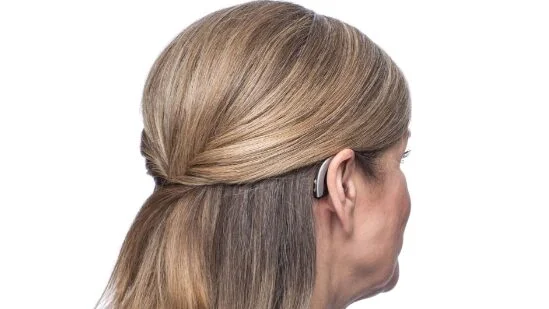
BEHIND-THE-EAR (BTE) HEARING AIDS
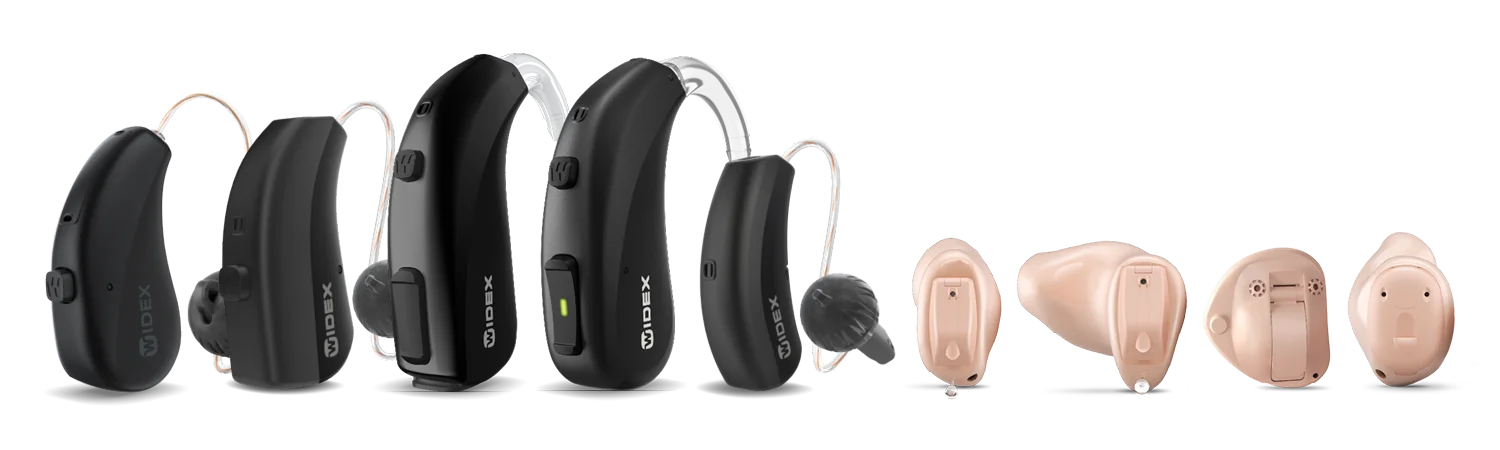
There are three BTE hearing aid types to choose from:
- A standard BTE hearing aid, whose receiver sits in the casing behind the ear. We also have a receiver-in-the-ear (RITE) and a receiver-in-canal (RIC) hearing aid.
- Placed discreetly behind your ear.
- For mild to moderately severe and up to profound hearing loss.
IN-THE-EAR (ITE) HEARING AIDS
A standard ITE hearing aid sits discreetly in the ear canal opening. We also have the practically invisible completely-in-canal (CIC) hearing aid, which sits deeply and nearly invisible in your ear canal.
- The least visible hearing aid type
- Customized to fit your ear canal
- For minimal to moderately severe hearing loss

Schedule Your Consult Today!
Patient Forms
Before treatment
Before choosing a treatment
Before recommending a procedure, your clinician will assess the cause of your symptoms. Ask how the findings, your health history and your goals affect the recommendation.
Make an informed choice
Discussing treatment
- 1Discuss your symptoms
Tell your clinician about your health history and treatments you have already tried.
- 2Have an examination
Your clinician will examine the area related to your symptoms.
- 3Discuss testing
Your clinician may recommend tests when they are needed to assess your symptoms.
- 4Review treatment options
Ask about nonsurgical care, possible procedures and the alternatives.
03 · Discuss treatment
Ask which options apply to you.
People with similar symptoms may need different treatments. Ask your clinician what is causing your symptoms, which options are appropriate and what the benefits and drawbacks are.