Start here
Sleep apnea evaluation
Our Otolaryngologists can diagnose and treat your Sleep Apnea & Sleep Disorders
What is Snoring?
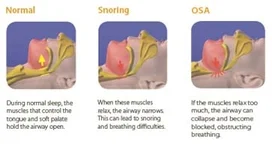
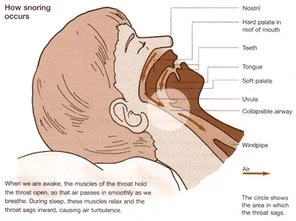
Snoring occurs during sleep when muscles in your mouth relax too much. The sound comes from the back of the throat, or occasionally from the nose when the muscles at the back of your mouth, throat, and tongue relax. Whenever your muscles relax, they expand slightly. In doing so, they narrow the airways. The air is forced against the uvula, which vibrates and slaps the back of the throat, producing the snoring sounds.
What Causes Snoring?
There are lots of causes of snoring. Some include:
- Swollen tonsils or adenoids
- Infections
- Deviated septum
- Medications
- Blocked nasal passageways
- Obesity
- Consumption of alcohol before sleeping
- Allergies
- Asthma
- Smoking
Most of the time snoring is nothing more than an inconvenience. It can bother those sleeping near you, but has few other impacts. Occasionally, snoring can indicate something problematic.
What is Obstructive Sleep Apnea (OSA)?
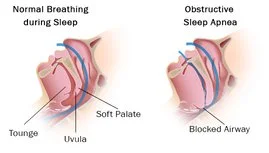
Obstructive sleep apnea is an extreme form of snoring, which results in relaxed muscles not just in narrowed passageways, but blocked passageways. The blocked passageways impede breathing, sometimes for as long as three minutes at a time. Most sleep apnea individuals experience the same cycles. A person snores, stops breathing, and awakens half a dozen times a night.
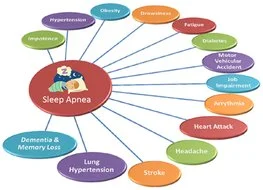
Sleep apnea ruins patients’ normal sleeping rhythms. As a result, it causes sluggishness, delayed reaction time, confusion, and even loss of memory. Sleep Apnea can influence your health in other ways too. The chances of complications such as depression, high blood pressure, anxiety, hypertension, stroke, and heart attack may increase because of sleep apnea.
Sleep Apnea Testing and Diagnosis
Factors such as body weight, blood pressure, and airway constriction can all increase the likelihood of someone with sleep apnea. It is also more common among people over the age of forty, families with a history of snoring, and women who are postmenopausal.
A physician can diagnose sleep apnea with a physical exam, however, a sleep test is often recommended. Sleep tests monitor more than a dozen different body functions and can help a physician determine the extent of your sleep apnea.
Alleviating Sleep Apnea Symptoms
Though they are not a cure, there are several simple ways to reduce the symptoms of sleep apnea. For cases that are not extreme, here are a few ways to cope:
- Sleep on your sides instead of your back
- Do not consume alcohol or sedatives before sleeping
- Use nasal decongestants
- Inhalable steroids
There are also medical devices you can use that can help. There are certain oral devices that you can place inside your mouth to keep the tongue from constricting the throat.
For difficult cases, a Continuous Positive Airway Pressure (CPAP) machine can help. The machine straps to your face and, using pressurized air, keeps your air passageways open. In the absolute worst cases, surgery may be the only option.
Do you suffer from harmful snoring?
If you suffer from snoring or sleep disorders, contact our office to make your appointment today. You’ll be on your way to a better night’s sleep. Our Otolaryngologists in Florida serving Boynton Beach, Boca Raton, and West Palm Beach areas. They can help diagnose your case and set up with a helpful treatment plan. Call us today at 561-200-1578.
Notice the pattern
When an evaluation may help
Speak with an ENT specialist about symptoms that persist, keep returning, change suddenly or affect daily life. An evaluation helps identify the cause before you choose a treatment.
Know what to expect
What to expect at your visit
- 1Discuss your symptoms
Tell your clinician about your health history and treatments you have already tried.
- 2Have an examination
Your clinician will examine the area related to your symptoms.
- 3Discuss testing
Your clinician may recommend tests when they are needed to assess your symptoms.
- 4Review treatment options
Ask about nonsurgical care, possible procedures and the alternatives.
03 · Discuss treatment
Ask which options apply to you.
People with similar symptoms may need different treatments. Ask your clinician what is causing your symptoms, which options are appropriate and what the benefits and drawbacks are.